Staying Safe Abroad: What Every Traveler Must Know
Traveling abroad is exciting, eye-opening, and life-changing — but it also comes with challenges that don’t exist at home. Different laws, customs, languages, and expectations can catch travelers off guard.
Staying safe abroad isn’t about fear. It’s about understanding how things work in other countries so you can move confidently, avoid trouble, and enjoy your trip.
This guide focuses specifically on international travel safety — what changes when you cross borders, and how to protect yourself as a foreigner.
If you haven’t read the general safety basics yet, start here: How to Stay Safe While Traveling.
🏨 Find Your Perfect Stay
Compare hotels, apartments, resorts, and vacation rentals worldwide.
Understand That You Are a Guest in Another Country
One of the biggest mistakes travelers make is assuming that rules, behavior, and protections are the same everywhere.
When you travel abroad:
- Local laws apply — even if you didn’t know them
- Cultural norms matter more than your intentions
- Authorities may treat foreigners differently
Respect, awareness, and humility go a long way in keeping you safe.
Research Laws and Cultural Rules Before You Arrive
Some actions that are normal at home can be illegal or offensive abroad.
- Dress codes (especially religious sites)
- Alcohol rules and public behavior
- Photography restrictions
- Drug laws (often very strict)
- Public displays of affection
Spend 15 minutes researching local rules — it can prevent serious trouble.
Keep Your Passport and Documents Safe
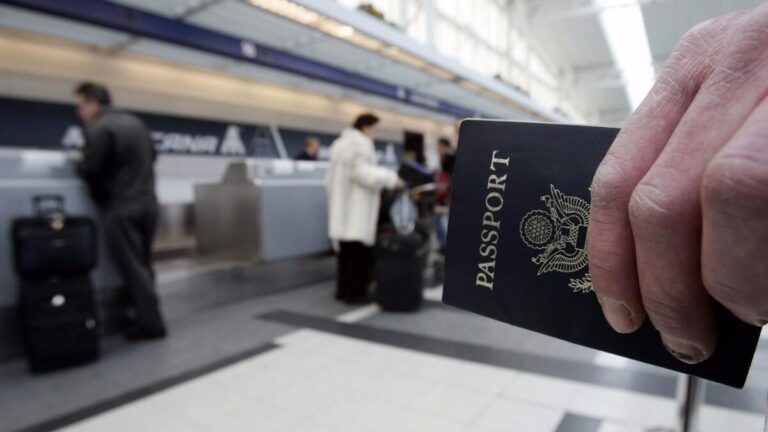
Your passport is your most important item abroad. Losing it can turn a simple trip into a nightmare.
- Keep your passport locked in your accommodation
- Carry a photocopy or digital copy instead
- Use a hotel safe if available
- Never hand your passport to strangers
Always know where your passport is — especially when crossing borders.
Register With Your Embassy (Most Travelers Skip This)
Many governments allow citizens to register their trip with the embassy or foreign affairs department.
- You receive alerts about safety issues
- Embassies can contact you in emergencies
- It helps during evacuations or crises
This step takes minutes and adds an extra layer of protection.
Money Safety Abroad: Extra Rules to Follow
Foreigners are often targeted for theft because they’re assumed to carry more cash.
- Never carry all your cash in one place
- Use bank ATMs, not street machines
- Avoid exchanging money with strangers
- Pay attention when handling cash in public
If you want to reduce risk, packing light helps. See: How to Pack Light for Long-Term Travel.
How to Avoid Being an “Obvious Tourist”
Looking like a tourist makes you an easy target. Blending in increases safety.
- Dress like locals when possible
- Avoid flashy jewelry or expensive gear
- Don’t walk around distracted on your phone
- Learn basic local phrases
You don’t need to disappear — just don’t stand out unnecessarily.
Dealing With Police and Authorities Abroad
Interacting with police or authorities abroad can feel intimidating, especially if there’s a language barrier. In most cases, staying calm and respectful is enough to keep things simple.
- Remain polite and cooperative
- Do not argue or raise your voice
- Ask calmly why you’re being stopped
- Follow instructions unless they are unsafe
If you don’t understand something, it’s okay to ask for clarification. Never joke or act sarcastically — humor does not translate well in official situations.
Know Your Rights — But Don’t Push Them
Your legal rights abroad are not the same as at home. Even if you believe you’re right, pushing back aggressively can escalate the situation.
- Carry a copy of your passport if required by law
- Know if police can request identification
- Ask if you are free to leave
- Request an interpreter if communication is unclear
If something feels wrong, contact your embassy immediately.
Border Crossings and Immigration Safety
Crossing borders is one of the most sensitive moments of international travel. Preparation is key.
- Have your documents ready and organized
- Know your visa rules and length of stay
- Answer questions honestly and briefly
- Avoid jokes or unnecessary explanations
Immigration officers are trained to spot inconsistencies. Stay calm and factual.
Transportation Safety Abroad
Transportation abroad can vary widely in safety and reliability. These tips reduce risk significantly:
- Use official taxis or ride-hailing apps
- Avoid accepting rides from strangers
- Research common transport scams
- Keep bags secured and within sight
Night transport deserves extra caution — choose routes and providers carefully.
🏨 Find Your Perfect Stay
Compare hotels, apartments, resorts, and vacation rentals worldwide.
Scams That Specifically Target Foreigners
Foreign travelers are often targeted simply because they’re unfamiliar with local systems.
- Fake police asking for “on-the-spot” fines
- Currency exchange scams
- Fake tour operators
- Overpriced transport near borders or airports
If someone pressures you to act quickly or secretly, that’s usually a red flag.
What to Do If You’re Questioned or Detained
Being questioned doesn’t automatically mean you’re in trouble — but how you respond matters.
- Stay calm and respectful
- Ask clearly what is happening
- Do not sign documents you don’t understand
- Request embassy contact if detained
Your embassy exists to help you — use it if necessary.
Emergency Situations Abroad
In emergencies, preparation makes all the difference.
- Know the local emergency number
- Save embassy contact details offline
- Carry emergency cash
- Have digital backups of documents
Most travelers never need these steps — but knowing them gives peace of mind.
Health and Medical Safety Abroad
Your health is one of the most important safety factors when traveling abroad. Different countries have different healthcare standards, costs, and access.
- Get travel insurance before you leave
- Carry basic medication with original packaging
- Know where the nearest hospital or clinic is
- Be cautious with food and water in unfamiliar regions
Never assume healthcare will be free or affordable abroad — preparation protects both your health and your finances.
Cultural Mistakes That Can Cause Serious Problems
Many safety issues abroad aren’t about crime — they’re about cultural misunderstandings.
- Ignoring dress codes at religious sites
- Disrespecting local customs or traditions
- Using offensive gestures unknowingly
- Speaking loudly or aggressively in public
When in doubt, observe locals and follow their lead.
Social Media and Location Sharing Safety
Oversharing online can create real-world risks while traveling abroad.
- Avoid posting real-time locations publicly
- Don’t announce when you’re alone or away
- Share highlights after leaving a location
- Keep your accounts private when possible
Social media is powerful — use it wisely.
Alcohol, Nightlife, and Staying Safe Abroad
Nightlife abroad can be fun, but it’s also where many travelers let their guard down.
- Watch your drink at all times
- Avoid excessive alcohol in unfamiliar places
- Leave if a situation feels uncomfortable
- Use trusted transport to get home safely
You don’t need to avoid nightlife — just stay aware.
The International Travel Safety Checklist
Before and during your trip abroad, run through this checklist:
- Research laws, customs, and scams
- Secure passport and documents
- Register with your embassy
- Choose safe accommodation
- Use reliable transportation
- Protect your money and data
- Respect local culture
- Trust your instincts
This checklist alone prevents most serious problems abroad.
Final Thoughts: Travel Abroad With Confidence
Traveling abroad doesn’t need to be scary. With awareness, preparation, and respect for local culture, international travel becomes one of the most rewarding experiences you can have.
The goal isn’t to avoid risk entirely — it’s to understand it and manage it intelligently.
If you’re planning longer trips abroad, combine this guide with:
How to Pack Light for Long-Term Travel
Travel smart. Respect the world. Enjoy every moment abroad.